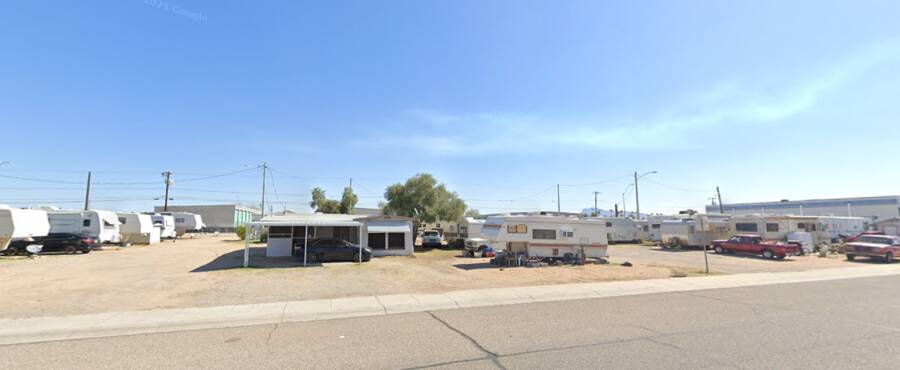
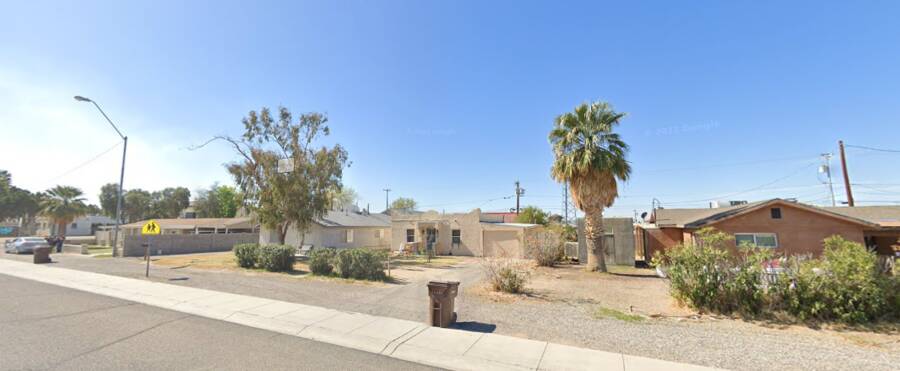
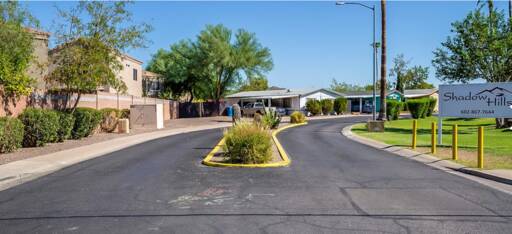
Parker Trailer Park sits on South Kofa Avenue in the heart of Parker, a Colorado River community in La Paz County. The park welcomes residents of all ages and offers straightforward lot rent that includes trash pickup, water, and sewer — all city-provided utilities.
The area is defined by its proximity to the Colorado River and outdoor recreation. Parker draws residents and visitors interested in boating, fishing, and desert living. The town itself is small and quiet, with a pace suited to those seeking a low-key lifestyle away from larger metro areas.
Lot rent ranges from $425 to $575 monthly, with paved streets and off-street parking throughout. An on-site property manager handles day-to-day operations. The hot-dry climate means low rainfall and intense summer heat — typical of the lower Colorado River valley.
For those relocating to the area, Parker offers a trade-off: remote desert living with river access, but limited urban amenities nearby. Residents typically travel to Lake Havasu City or Bullhead City for broader shopping and services. The community works well for retirees, remote workers, and others prioritizing affordability and a quieter setting over proximity to city conveniences.